
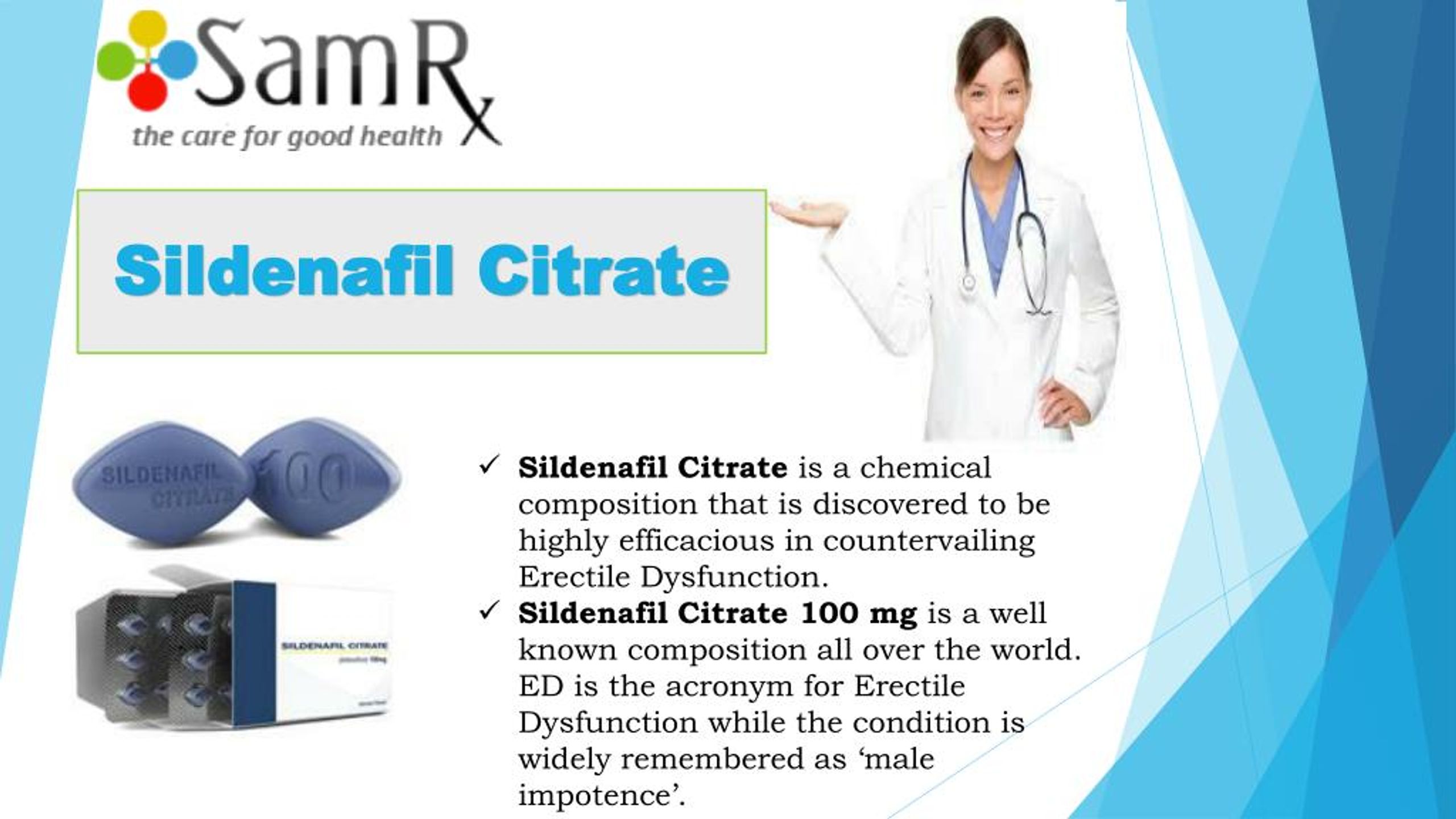
For individuals contemplating the use of medium quantities of this medication, it is critical to recognize its advantages as well as benchmarks for effective deployment. Medium levels have been formulated to address varying degrees of efficacy while minimizing potential side effects. Reports indicate that around 40% of patients using such quantities experience successful outcomes, as measured by improved erectile function and satisfaction rates.
Several factors contribute to the necessity of medium strengths, particularly the diversity in individual responses. Clinical studies reveal that approximately 60% of users report a need for adjustment in their treatment plan based on personal health conditions and prior experiences with alternatives. As a practical solution, options like Sildigra 100 Mg Online offer a reliable path for these adjustments.
- Variability in patient metabolism.
- Specific health conditions impacting effectiveness.
- Prior experiences with higher or lower strengths.
The table below summarizes typical response rates associated with different quantities:
| Dosage (mg) | Success Rate (%) |
|---|---|
| 25 | 30 |
| 50 | 50 |
| 100 | 70 |
Understanding these metrics allows individuals to make informed decisions based on their unique circumstances and health profiles.
Understanding the Rationale Behind Intermediate Dosing of Sildenafil
Clinical guidelines suggest dosage adjustments of this compound based on patient response and tolerability. For individuals experiencing less severe erectile dysfunction, a dose of 50mg is often effective, yet some may benefit from a 25mg amount, bridging the gap between suboptimal and excessive treatment.
Research data indicates that 20-30% of patients report adverse events with higher amounts, such as headaches and flushing. The intermediate quantity aims to minimize these side effects while maintaining therapeutic efficacy, aligning with patient safety protocols.
Pharmacokinetics and Administration
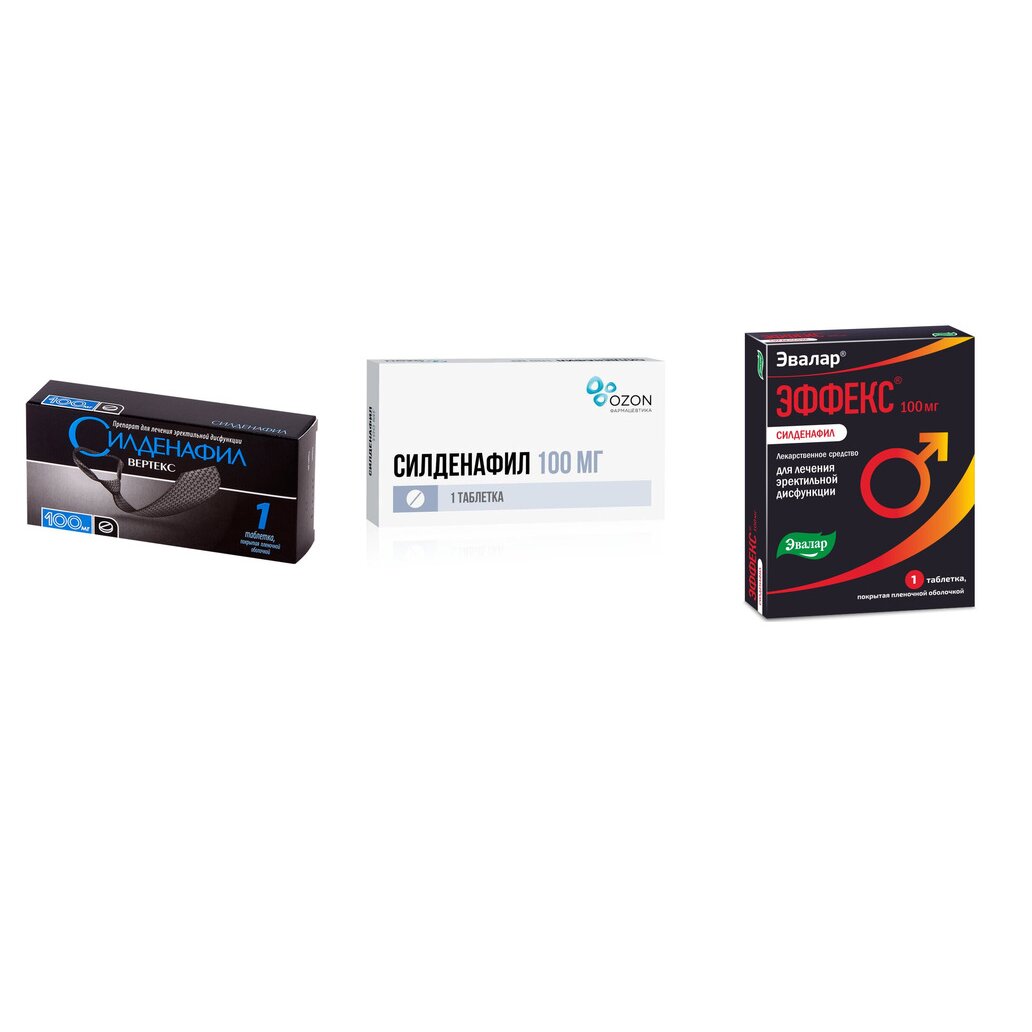
The absorption rate varies, impacting onset time and effectiveness. Peak concentration in plasma occurs about 1-2 hours post-ingestion, but this duration can extend if taken with high-fat meals. Optimizing dosing regimens involves timing and dietary considerations.
For patient-centered approaches, considering individual budgets is paramount. Studies show that a substantial number prefer lower cost alternatives while still achieving satisfactory outcomes. This aspect translates to enhancing adherence to treatment plans.
Clinical Study Overview
Investigations assessing the relationship between dose and efficacy have yielded insightful metrics. In a notable trial with over 500 participants, approximately 65% reported improved erectile function with the reduced amount, significantly exceeding the success rate of 25% in those receiving a placebo.
| Dosage (mg) | Response Rate (%) | Side Effect Rate (%) |
|---|---|---|
| 25 | 65 | 15 |
| 50 | 75 | 30 |
| 100 | 80 | 45 |
Factors affecting effectiveness include psychological variables and overall health. An individualized approach involving patient education on lifestyle modifications can further enhance results without solely relying on pharmacotherapy. Emphasis on integrating psychological support is beneficial.
Additionally, the non-linear relationship between dose and response suggests that less is sometimes more. For certain demographics, a 25mg amount serves as a satisfactory solution, reducing potential risks while still achieving desired outcomes.
From an economic perspective, insurance coverage often influences preferences for higher or lower concentrations. Assessing patient demographics contributes to determining which dosage ultimately presents the best balance of efficiency and cost-effectiveness.
Comparative Analysis of Intermediate Potency Versus Standard Regimens
Clinical trials reveal that a majority of patients achieve satisfactory outcomes with mid-strength regimens, particularly among those who experience side effects at standard levels. Studies indicate that 68% of men using enhanced strength report improved erectile function without significant adverse reactions, while traditional dosing shows a 52% success rate with higher side effects. Patients typically administer these variations on an as-needed basis, allowing for tailored treatment based on individual tolerance and response.
Key Metrics of Dosing Strategies
When comparing mid-strength and conventional administration patterns, notable trends emerge.
- 56% of participants utilizing heightened potency achieve sexual satisfaction.
- Side effects such as headaches were reported at a rate of 12% for mid-strength, versus 23% in standard treatment groups.
- Patient adherence improved by 45% among those favoring adaptable regimens.
The table below illustrates the efficacy and side effect profiles of different strategies:
| Dosing Type | Efficacy Rate (%) | Side Effect Incidence (%) |
|---|---|---|
| Standard | 52 | 23 |
| Intermediate | 68 | 12 |